
From Interviews to Research Design
Life After LifeThis thread follows Moody’s methodological argument from imperfect interviews toward prospective studies and independently checkable observations.
increasing Bearing strength in each event
 decreasing
Bearing strength in each eventdecreasingAnecdotal Beginnings
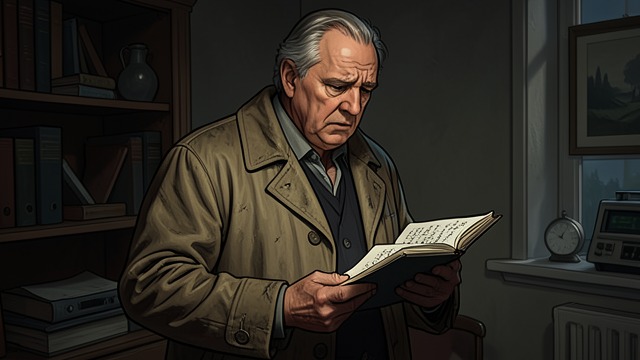
Testimony as Starting Point
Human Accounts
Moody’s initial material comes from interviews with people who describe experiences during grave crises. Such testimony can be sincere and still vulnerable to misremembering, interpretation, or deception.
An Imperfect Foundation
He does not present anecdotal accounts as proof. He treats them as material that can generate questions and point toward methods better suited to testing specific claims.
Neutral Interviewing
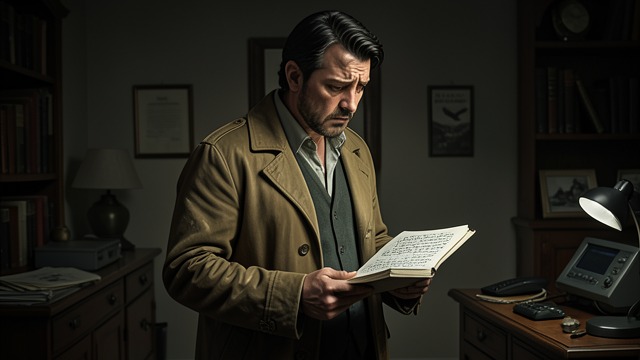
Asking Without Planting
Open Beginnings
Moody recommends starting with a broad prompt such as asking what happened. More specific questions should come later, reducing the chance that the interviewer supplies the experience’s expected shape.
Sympathy and Restraint
Subjects may fear disbelief, so a hostile cross-examination can shut down disclosure. At the same time, empathy must not replace careful attention to how questions influence testimony.
Clinical Records

Reconstructing the Crisis
After-the-Fact Data
Medical records may establish the cause of a crisis, interventions, initial responses, and available instrument readings. These details can help researchers compare what a subject remembers with the medical sequence.
Therapy Comes First
Moody insists that the duty in an emergency is to treat the patient, not to experiment. Research must not interfere with resuscitation or patient care.
Prospective Studies

A Better Sample
Consecutive Cases
Moody suggests examining a defined series of successful resuscitations under specified conditions. Including people without recalled experiences would help distinguish prevalence from selective reporting.
Statistical Caution
A planned study could examine medical status, causes, interventions, and reported features. It would answer limited empirical questions without claiming to solve the afterlife.
Ideal Corroboration
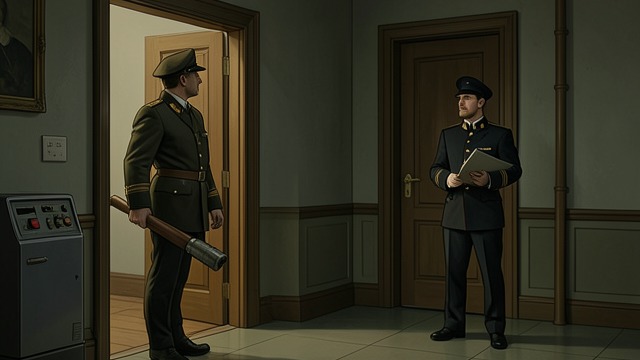
Testing Specific Reports
Independent Checks
Moody imagines a resuscitated patient describing an event outside the treatment room at a time supported by clinical records. Independent confirmation would make the case unusually compelling.
Remaining Alternatives
Even a striking match would not prove survival after death, since Moody notes that other explanations could be proposed. The example clarifies a research standard while preserving uncertainty.
At the start of Moody’s early case collection
As Moody develops interview guidelines
In the appendix’s proposals for future research
After Moody proposes a hospital-based study
At the appendix’s closing research proposals
